
Childcare Survey 2026
Authored by Lydia Hodges, Sam Shorto, Alicia Knights-Toomer, Flora Jenkins and Tamsin Hutton

In our Childcare Survey 2026, we look back over 25 years of data collection on the cost of childcare since the first survey in 2001.

Introduction
Childcare costs have increased at a higher rate than inflation over the last 25 years. Our 25-year analysis shows year-on-year rise in childcare costs for under-twos in England, until expansion of government funded entitlements in 2024-25 brought the cost of a part-time childcare place for eligible working parents back to what it was in 2005.
The cost of a part-time (25 hour) childcare place for a child under two in spring 2024 was nearly triple what it was in 2001. The cost fell for working parents in 2025 but continued to increase for those who are not eligible for the funded entitlement. There is a risk that disadvantaged children are being priced out of accessing the same early years education as those eligible for 30 government-funded hours.
In 2026, for families eligible for the entitlement, now fully expanded to 30 hours, a part-time place for a child under two may now theoretically be free during term-time, and the cost of a full-time place is down by 39% on last year. However, Scotland and Wales see price rises in 2026 of 5% and 8% respectively.
25 years of the Childcare Survey

The cost of a part-time place in a nursery for a child under the age of two in England grew by over £100 per week in the period between 2001 and 2024 (from £55 per week to £160 per week), before falling for working parents in 2025 but continuing to increase for those who are not eligible for funded entitlements. Childcare costs have increased at a higher rate than inflation over the last 25 years. If childcare costs had increased in line with inflation each year since the beginning of our survey, then in 2021 (when the greatest difference occurred), the cost of a part-time place would have been £102 for a child under two, rather than the actual cost of £140.
Cost of childcare
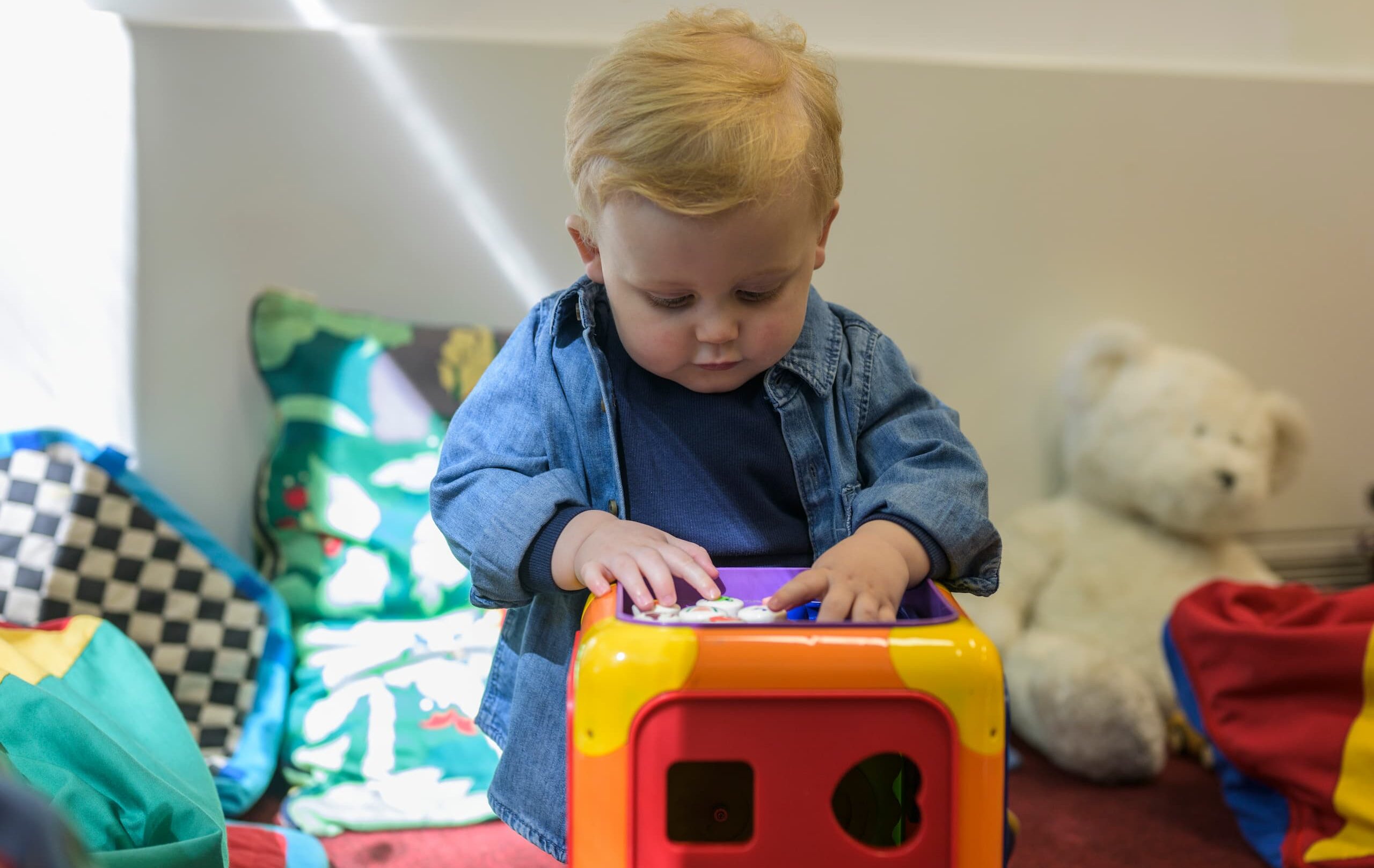
Differences in the average cost of childcare for children under three years old between England and the other nations of Great Britain are even greater this year due to the final expansion of entitlements for working parents in England. For those eligible for the working parent entitlement, part-time (25 hour) childcare in England is now theoretically free during term time, and the cost of full-time childcare has reduced by 39% since last year due to funded hours increasing from 15 to 30 per week.
Average price of an after-school club:
£69
in England
£71
in Scotland
£74
in Wales
Is there enough childcare?

Sufficiency is highest for the funded entitlements, with around 8 in 10 local authorities having enough places for at least three quarters of children in their area for all funded entitlements. Sufficiency is lowest for before- and after-school childcare for older children, parents working atypical hours, families in rural areas and children of all ages with special educational needs and disabilities, though levels for children under five are higher than for those of school age.
85%
of local authorities who responded have at least 75% sufficiency for the 15 hour entitlement for 3-4 year olds
45%
of local authorities who responded have at least 75% efficiency for children with SEND in early years
70%
of local authorities who responded say they have sufficient childcare for early years children in at least 75% of wards
Parents' experiences of childcare
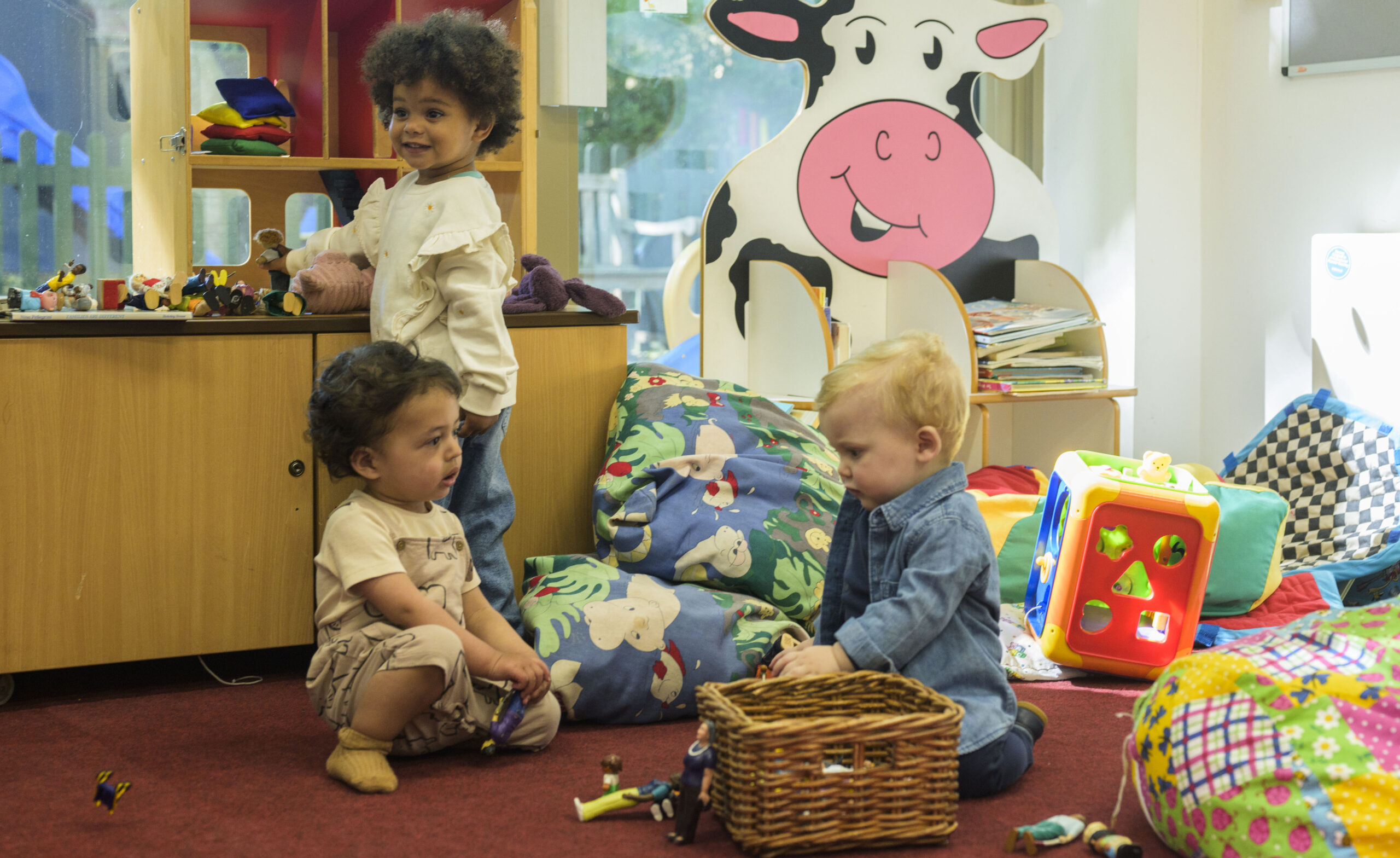
Making friends and building confidence emerged as the most frequent benefit of attending childcare in our parent focus groups. Whilst primarily a benefit for their children, the groups also talked about the connections and community they had built with other parents and staff at their childcare setting. Parents saw the value of their child attending childcare through the skills their child had developed, including becoming more independent, increased language skills, and learning to take care of themselves. Parents saw this as key in helping their child be ready for school.
Areas for action

The analysis clearly shows the disparity in access to early education for disadvantaged children whose parents do not qualify for extra government-funded childcare hours. This is at odds with school entitlements, and results in an age inequality for children. Low sufficiency and poor communications blight children’s opportunities, particularly where they have SEND. We call on all Governments in Great Britain to rebalance the system to enable all parents and carers to work and to ensure that children have the best start in life during their essential early years. You can read our full list of areas to action in the report below.
Research by Coram Family and Childcare
Our research and advocacy focuses on making Britain as supportive of fulfilling family lives as possible, and on holding central and local government to account for doing all it can to remove barriers for families.
Explore our research